

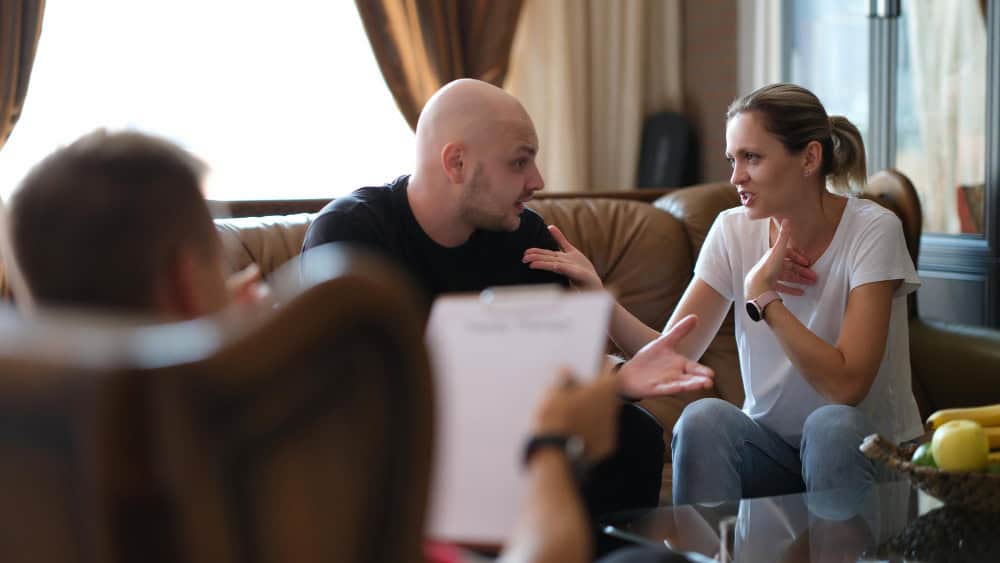
Relationships aren’t always smooth sailing. Even the strongest partnerships experience turbulence — communication breakdowns, financial stress, infidelity concerns, or simply growing apart. Many couples wait until they’re at breaking point before seeking help, but that’s when the damage has often become irreversible. The truth is, marriage counselling works best when you recognise problems early and take action before resentment takes hold. This guide explores when professional support can strengthen your relationship and how to navigate this important decision.
Understanding the Role of Marriage Counselling
Marriage counselling, also known as couples therapy, isn’t just for relationships on the brink of collapse. It’s a proactive tool designed to help partners understand each other better, rebuild communication, and develop stronger problem-solving skills. A trained counsellor creates a safe, neutral space where both parties can express concerns without judgment or defensiveness.
The most common issues couples address in counselling include communication difficulties, trust concerns, intimacy problems, and conflicts about parenting or finances. What’s interesting is that many couples report feeling disconnected rather than actively angry — they’ve simply lost the ability to connect meaningfully with their partner. This emotional distance is precisely what marriage counselling services can help restore.
The key difference between counselling and informal advice is that professionals bring evidence-based techniques grounded in psychological research. They’re trained to identify unhealthy patterns, help couples break cycles of conflict, and teach practical skills that couples can apply long after counselling ends.
Signs Your Relationship Could Benefit From Professional Support
You don’t need to wait for a crisis to seek help. Some warning signs that suggest professional support would be valuable include:
- Communication has broken down — You find yourselves arguing in circles, unable to resolve anything, or simply not talking at all
- Trust has been damaged — Whether from infidelity, secrecy, or broken promises, trust underpins all relationships
- You’re considering separation — Even if divorce seems possible, many couples find counselling helps them decide with clarity
- Recurring conflicts — The same arguments resurface without resolution
- Major life transitions — Becoming parents, redundancy, illness, or caring responsibilities create stress that affects relationships
- Emotional distance — You feel like roommates rather than partners, with little intimacy or connection
- Different values emerging — Career priorities, lifestyle goals, or parenting philosophies have shifted
Recognising these signs early gives you the best chance of rebuilding before patterns become entrenched.
The Mediation Alternative: A Different Approach
Sometimes couples reach a point where counselling to save the relationship isn’t the goal — instead, they need help navigating separation or divorce amicably. This is where family mediation becomes valuable. Unlike adversarial legal processes, mediation involves a neutral third party helping couples reach agreement on key issues: property division, custody arrangements, and support payments.
Professional mediators can guide couples through these conversations in a way that prioritises children’s wellbeing and reduces legal costs. Mediation often results in more flexible, creative solutions than litigation because couples maintain control of the outcome rather than leaving decisions to a judge. It’s also considerably faster and less emotionally draining than court proceedings.
The distinction matters: counselling aims to strengthen relationships, whilst mediation facilitates constructive separation. Some couples even use both — counselling to explore whether the relationship can be saved, and mediation if the answer is no.
Finding the Right Counsellor for Your Needs
Not all counsellors are the same, and finding the right fit is crucial. Look for practitioners who:
- Hold recognised qualifications in couples therapy or counselling
- Have specific experience with your primary concern (infidelity, parenting conflict, communication, etc.)
- Operate in a style that feels comfortable to you — some are more directive, others more supportive
- Understand cultural or religious values that matter to your relationship
- Have availability and location that works practically for your situation
Many couples book an initial consultation before committing, which allows you to assess whether the counsellor feels like a good match. Chemistry matters in therapeutic relationships.
What to Expect in Sessions
A typical couples counselling session runs 50–60 minutes and usually follows a structure. The counsellor might begin by checking in with both partners about the week, then guide conversations toward specific issues. They’ll help identify patterns — often partners are stuck repeating the same conflict cycle without realising it — and teach new communication tools.
Early sessions often focus on helping partners really listen to each other’s perspective, even when they disagree. This alone can be transformative. As trust gradually rebuilds and communication improves, later sessions might address deeper emotional needs or practical problem-solving around specific issues.
Sessions shouldn’t feel like one person winning an argument; an ethical counsellor maintains neutrality and helps both partners feel heard and respected.
Practical Steps if You’re Considering Counselling
Talk with your partner first. Approach the conversation with genuine care rather than criticism. Frame it as “I want us to be better together” rather than “You’re the problem.” Many partners who initially resist counselling become enthusiastic once they understand it’s a collaborative effort to improve the relationship.
Start with your GP. Your general practitioner can refer you to qualified practitioners and sometimes offer rebates for sessions under Medicare’s mental health plan, making counselling more affordable.
Set realistic expectations. Counselling isn’t magic. It requires genuine commitment from both partners, often over several months. You’ll probably feel worse before you feel better as you address difficult issues that have been avoided.
Prepare for difficult conversations. Bring specific examples of issues you want to address, but be open to what emerges during sessions. Often the real problems are different from what couples initially thought.
When Counselling Works Best
Research consistently shows that family lawyers in Perth and other professionals note the best outcomes occur when:
- Both partners genuinely want to improve the relationship
- Partners are willing to examine their own behaviour, not just their partner’s faults
- Neither person is currently engaged in substance abuse or domestic violence (these require specialist intervention first)
- Couples seek help before resentment becomes overwhelming
- They’re committed to practising new skills between sessions
The Investment in Your Relationship
Counselling requires financial investment and emotional vulnerability. But consider the alternative: relationships that deteriorate without intervention, leading to separation, custody battles, and the emotional toll on everyone involved — especially children. From a purely practical standpoint, investing in counselling is far less costly than family law proceedings.
More importantly, if your relationship is worth saving, counselling gives you the tools and support to rebuild what brought you together in the first place. Many couples report that working through difficulties actually strengthens their partnership, creating deeper understanding and appreciation.
Conclusion
Marriage counselling isn’t a sign of failure — it’s a sign of commitment. It’s an investment in your relationship and in your own wellbeing. Whether your relationship is experiencing acute crisis or chronic distance, whether you’re trying to save it or navigate a respectful separation or divorce, professional support can make an enormous difference.
The decision to seek counselling is deeply personal, but the barrier is often simply inertia or worry about what it might mean. If you’re reading this and recognising patterns in your own relationship, that recognition is valuable. Talk with your partner. Reach out to a counsellor. Give your relationship the care it deserves. For families in Perth navigating relationship challenges, connecting with experienced family lawyers can provide legal guidance alongside counselling support. The alternative — drifting further apart — rarely leads anywhere good.
